2 hours from Kathmandu Madanpur, Nuwakot Est. 1973
The Farm

A working farm,
a living forest.

Orchards the Captain planted.

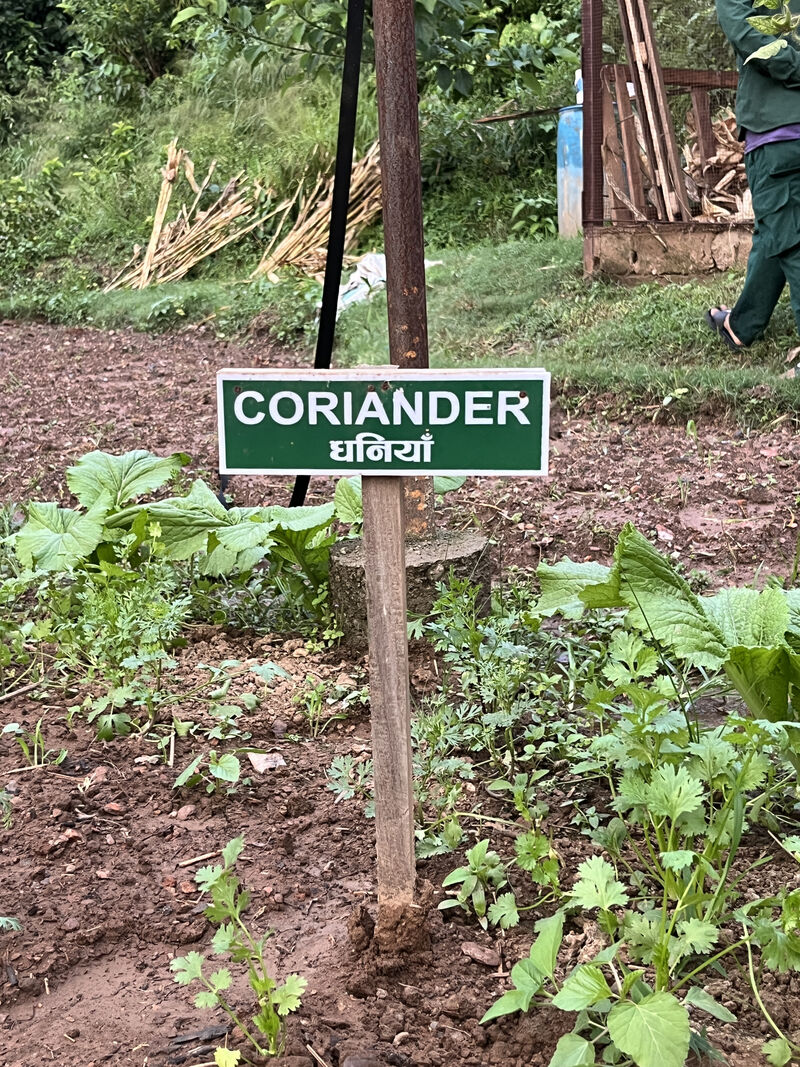
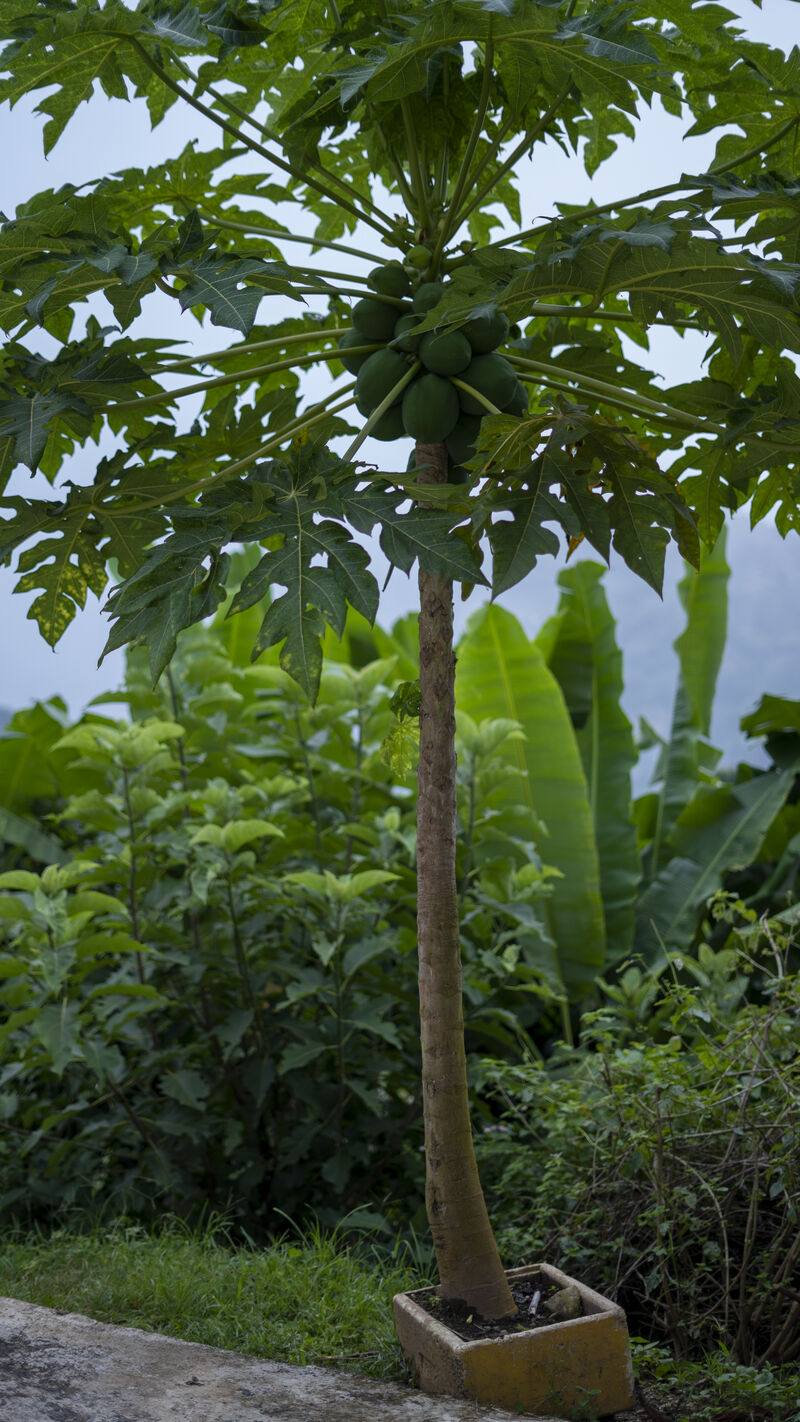
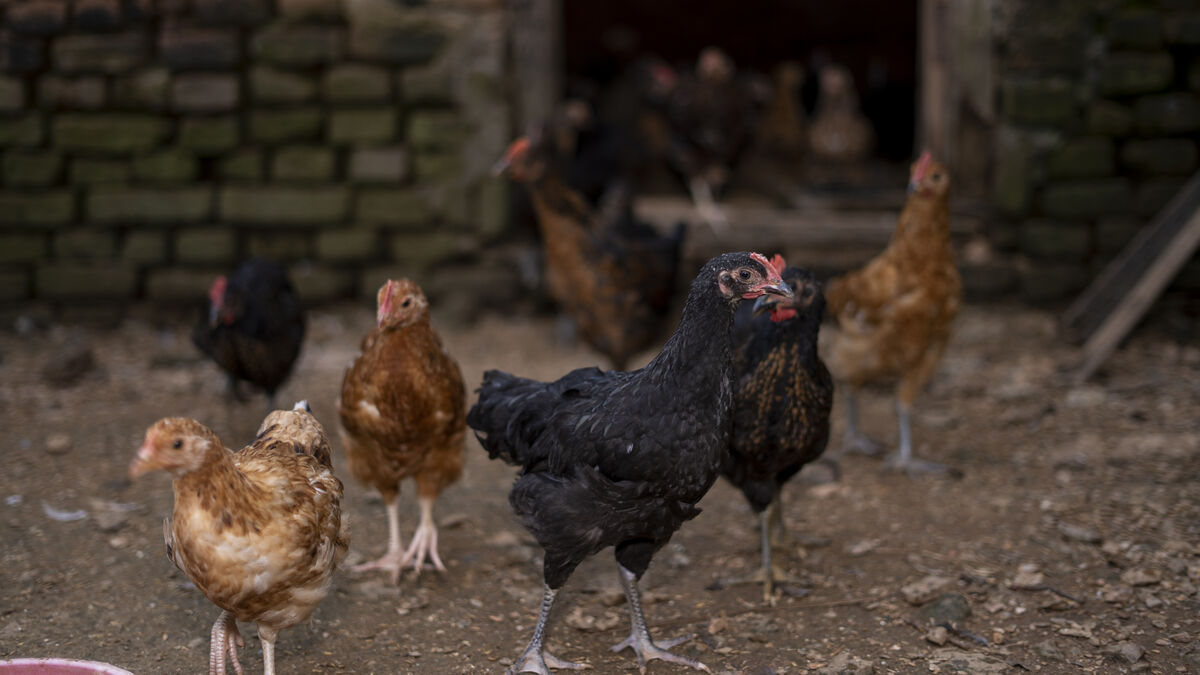
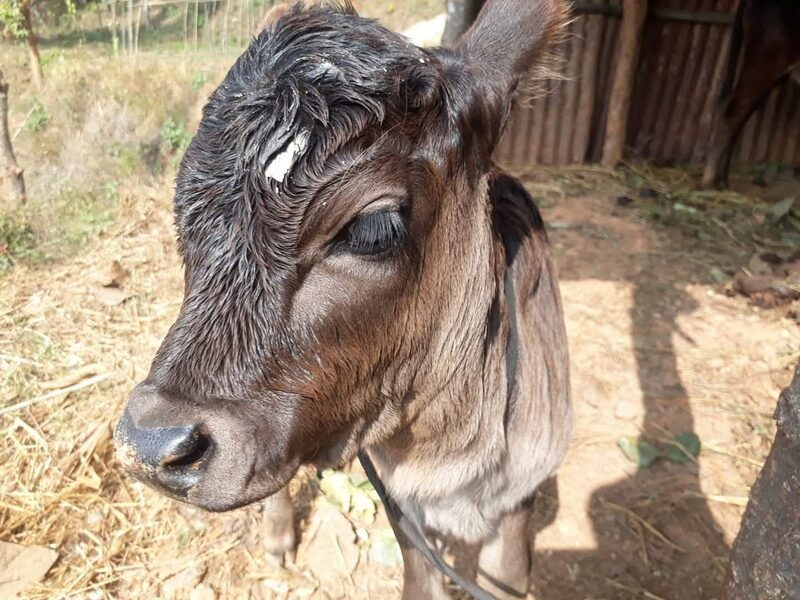
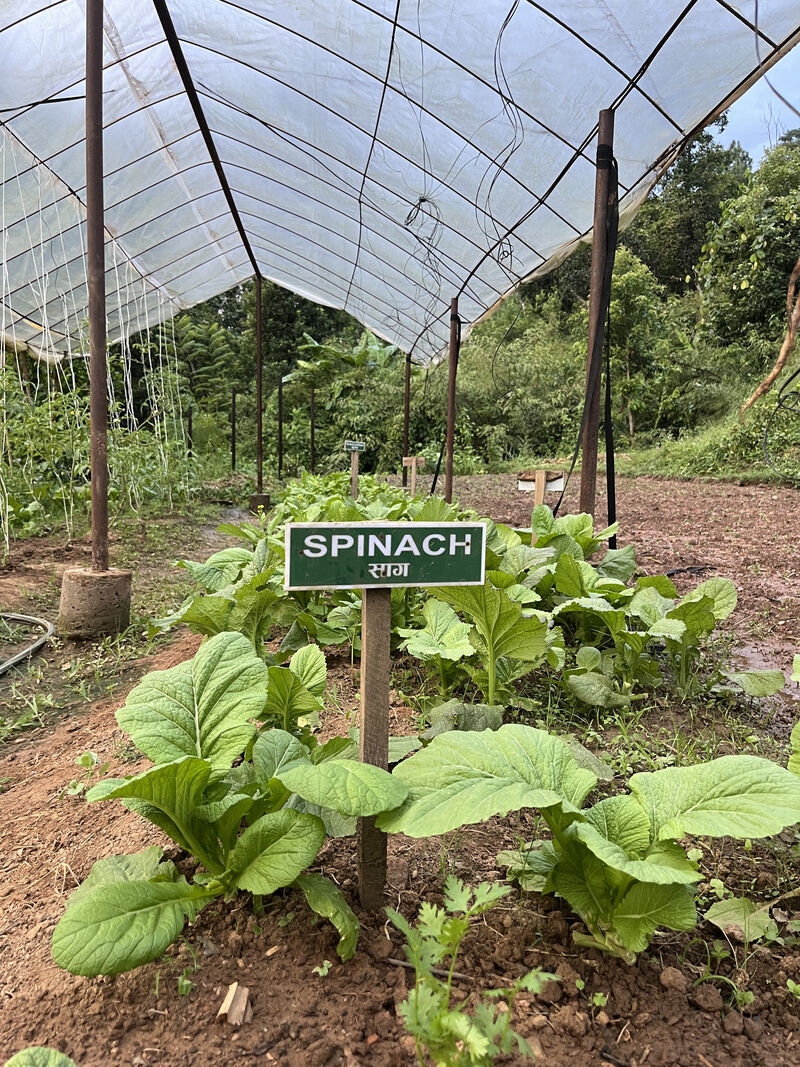
Ten kinds of fruit went into this hillside in the 1970s — mango, lychee, banana, papaya, lemon, macadamia, avocado and more — chosen both to feed the family and to hold the slope against erosion. Fifty years on, those orchards anchor a farm that also grows organic vegetables, raises free-range poultry and dairy cattle, and harvests herbs and spices from its own regenerated forest.

We farm with organic compost and bio-pesticides made on-site, harvest rainwater into small ponds, and run a nursery of fast-growing, medicinal, and economically valuable plants — steadily planting the steeper land back into forest.
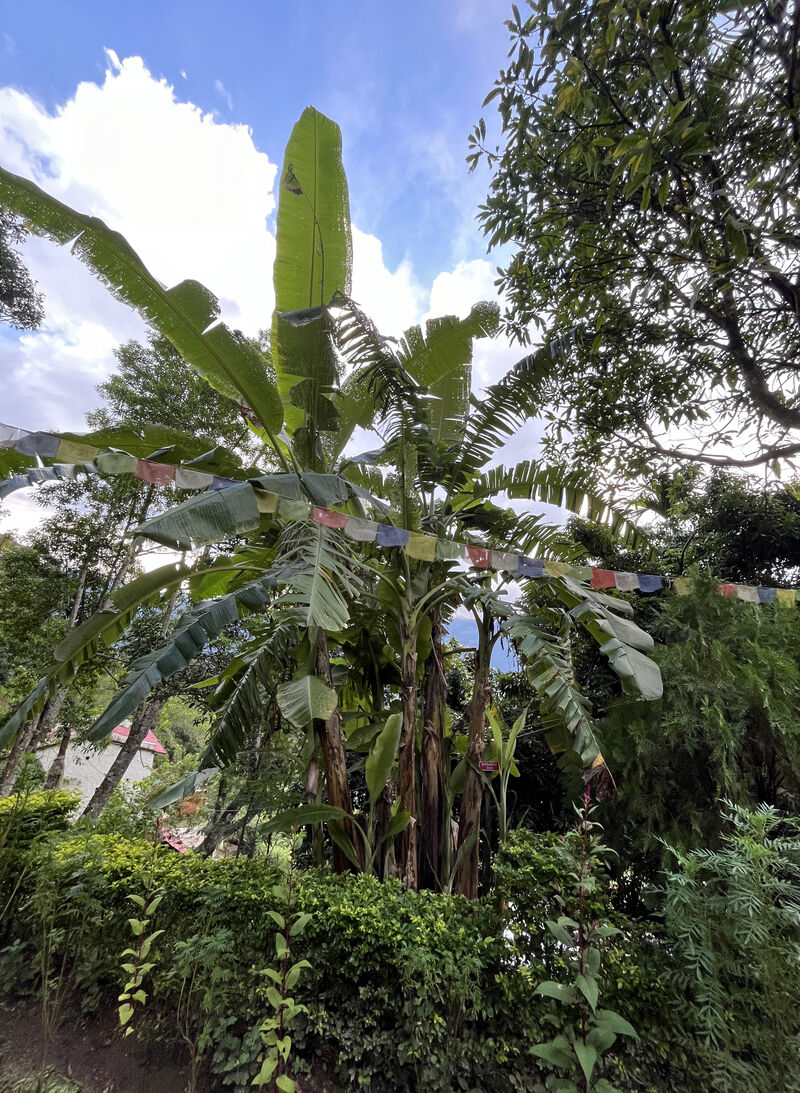
Banana and papaya trees on the farm terraces
Banana and papaya on the orchard terraces.
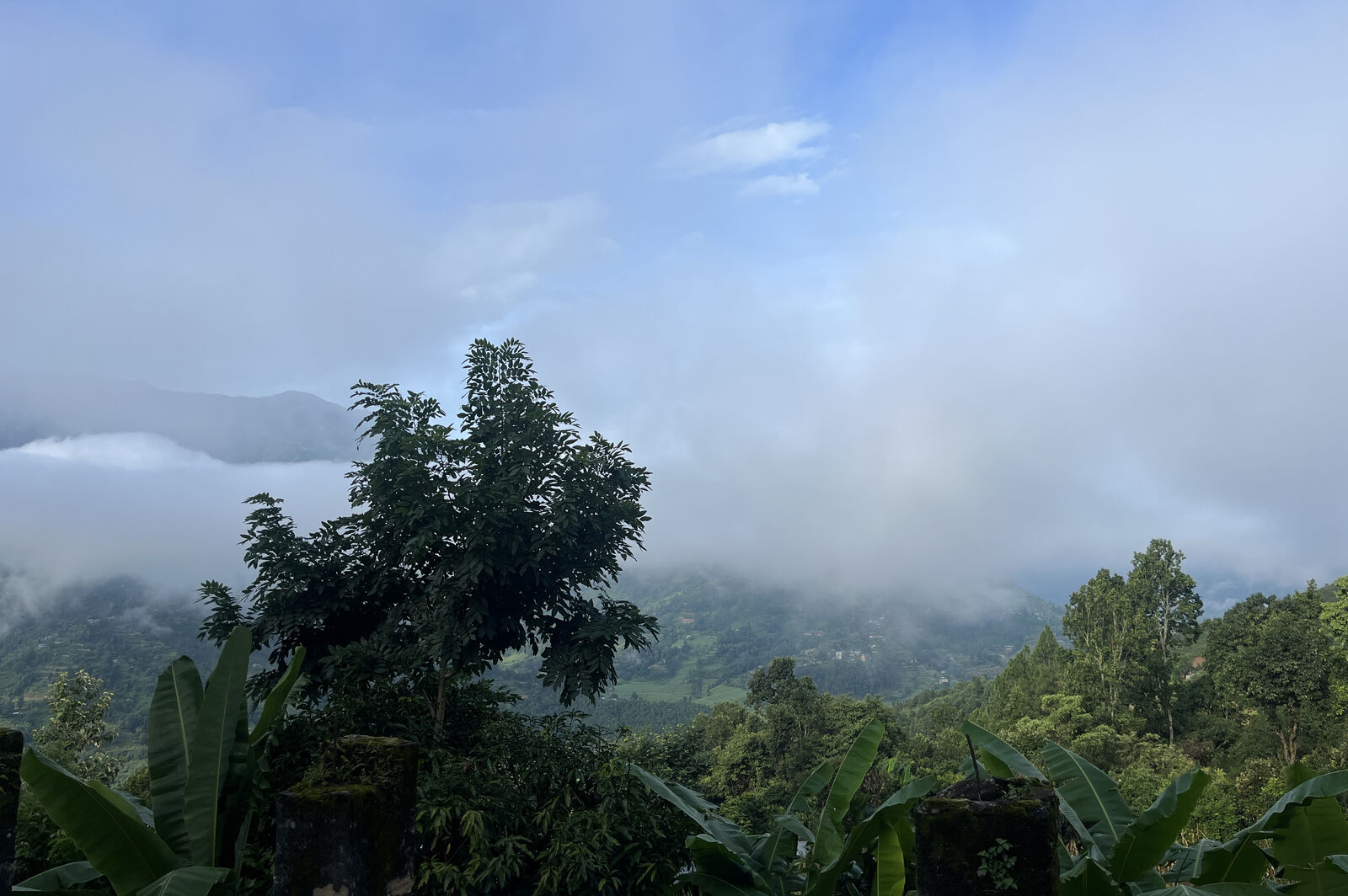
Mist over the regenerated forest hillside
The hillside today — regenerated forest where landslides once ran.

A hillside you can see turn green from space.

When the farm was fenced and planted, something larger began: the halted grazing and protected saplings let the entire slope regenerate. Landslides stopped. Native trees returned alongside the orchards. Today the transformation is visible on satellite imagery — a green ridge in the Nuwakot hills.

Environmental balance is not a side project here; it is the farm's founding purpose, and the measure by which the next 25 years are planned.

See the farm on Google Maps →
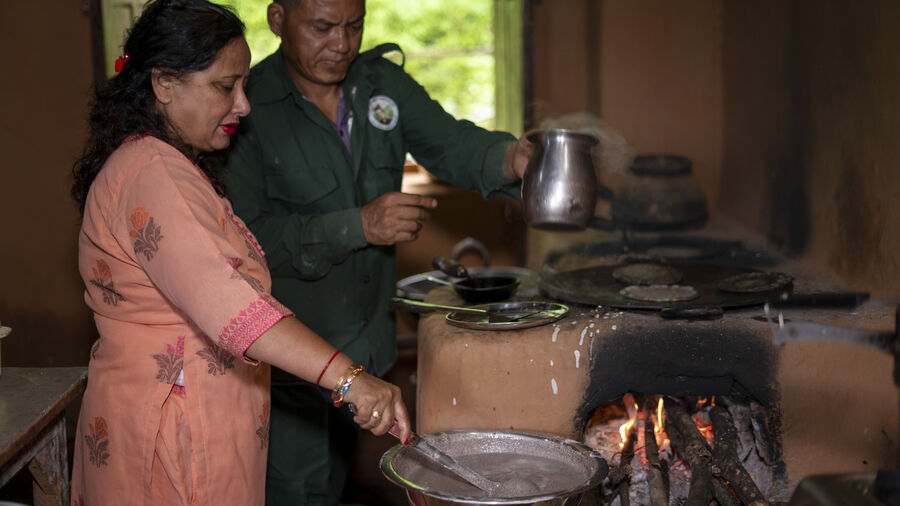
Cooking at the farm's wood-fired stove
The heart of the farmhouse — the wood-fired kitchen.

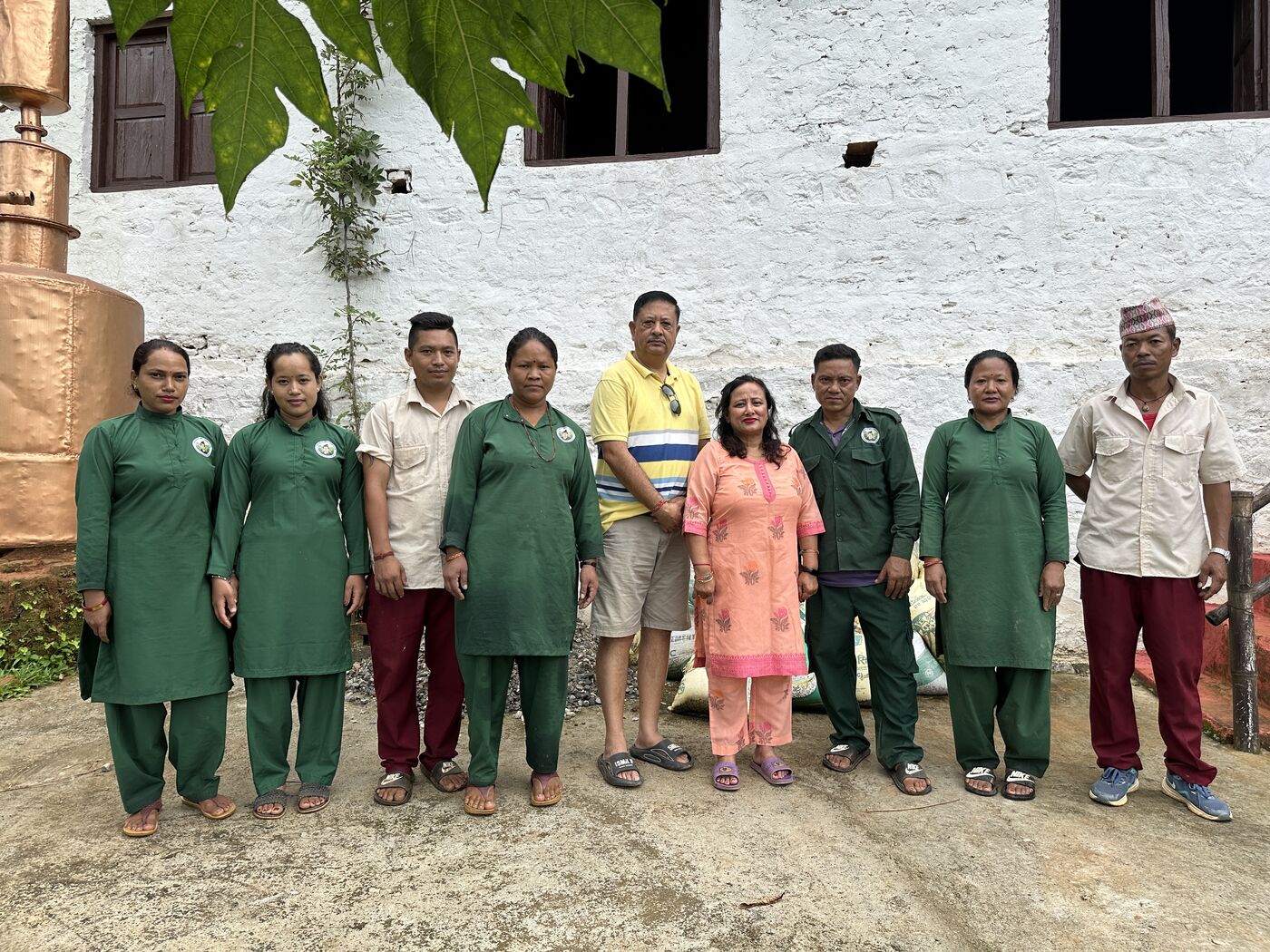
Kept alive by many hands.

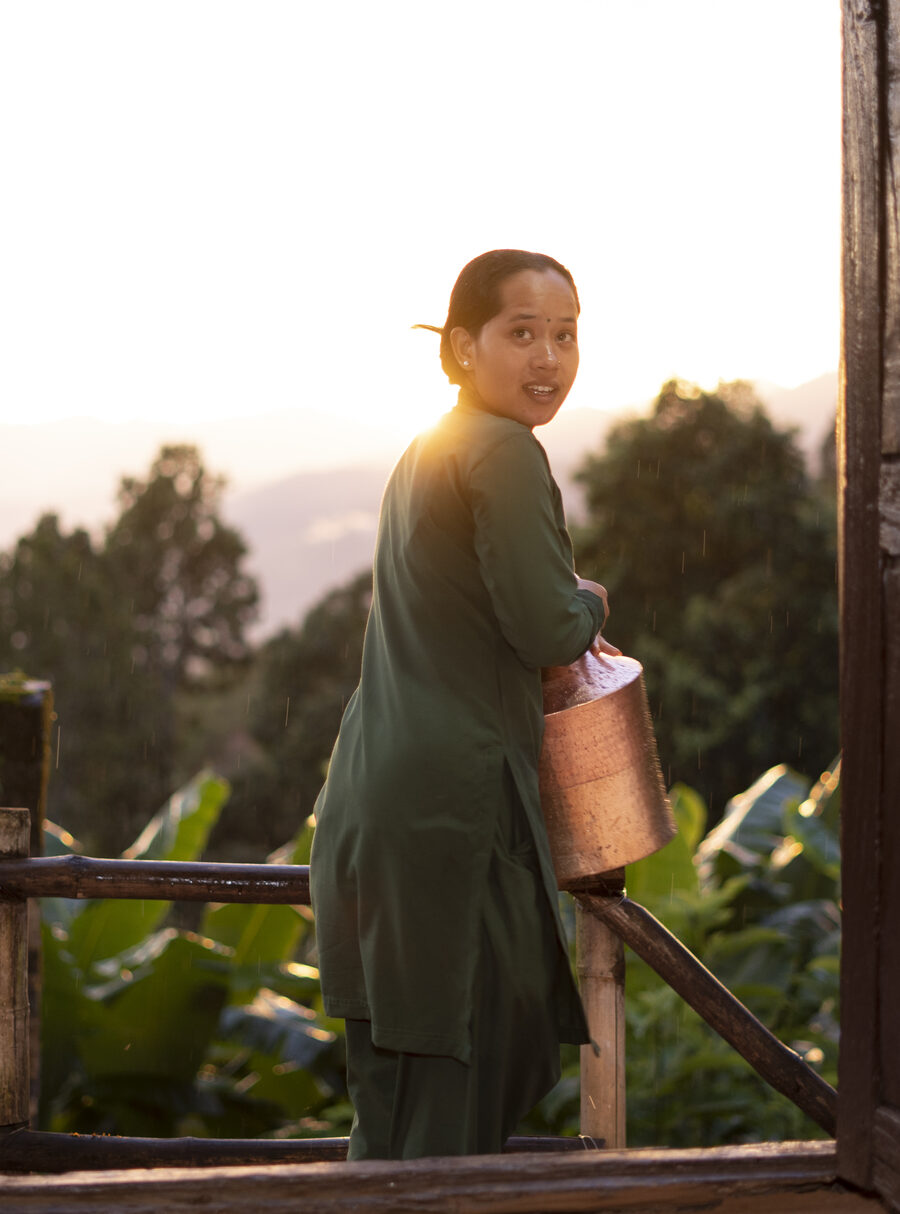
From the neighbours who carried baskets of manure for the first saplings to today's team who tend the animals, gardens, kitchen, and guests — this farm has always been a community effort. The team lives and works here through the seasons, and guests quickly find themselves welcomed like family.

Taste what the land grows.

Plan Your Visit →