The Next 25 Years
आउने २५ वर्ष
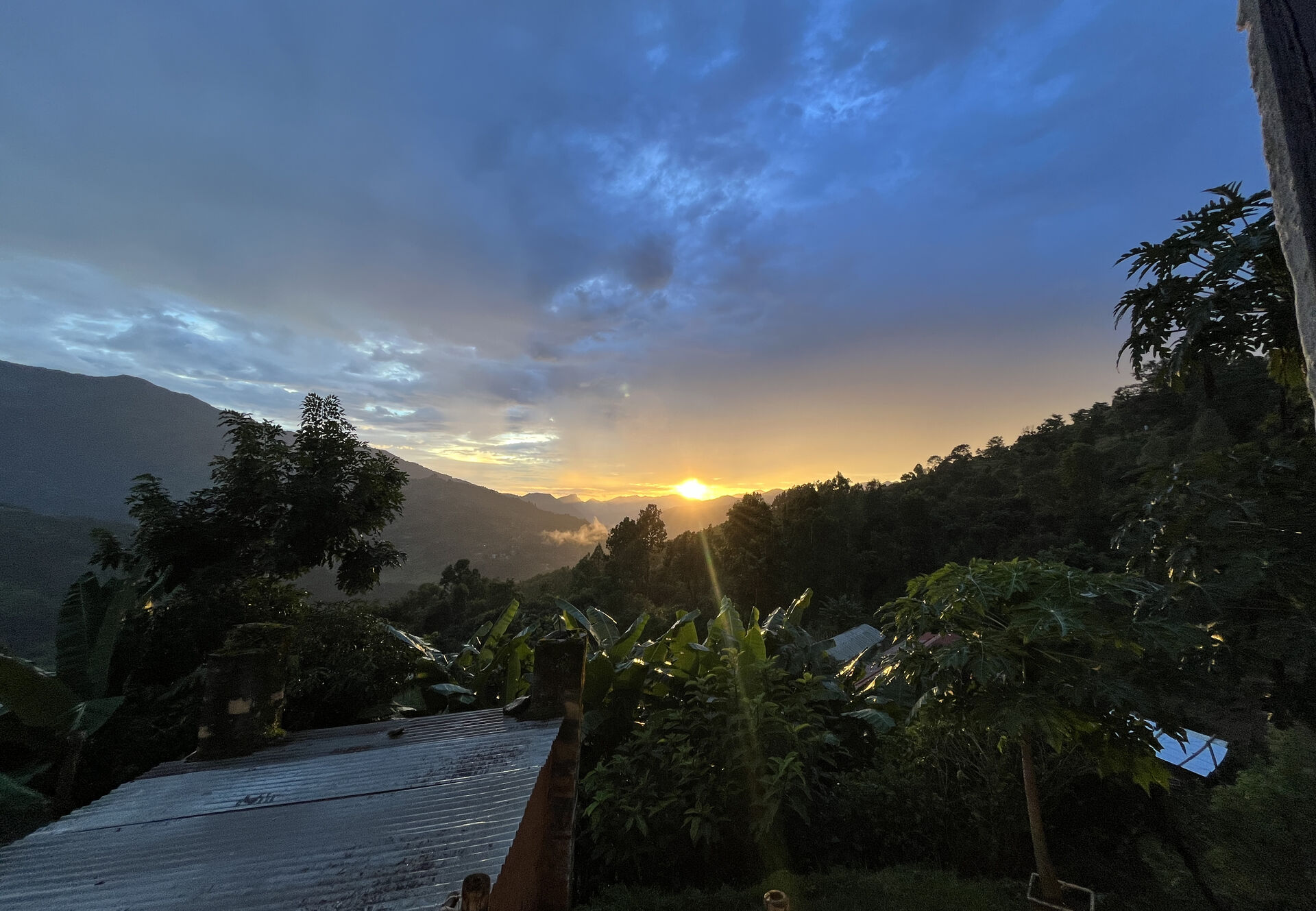
Captain Regmi's Farm House began its work with two aims — maintaining environmental balance, and building the farm's economic life through agricultural production — and that journey is told in the previous piece. Here, I set out our thinking on the next twenty-five years.
The Madanpur area has changed, step by step: electricity arrived, piped water distribution began, and road construction has opened rural transport. Yet we cannot ignore that expanding roads have also brought soil erosion, environmental damage, and harm to agricultural production. Care must be taken with the roads still to come — and it is just as urgent to reduce the damage the finished roads have already done.
Transport now lets people living around the Kathmandu Valley commute daily from home to jobs, businesses, and studies. Looking long-term, the valley's urbanization shows no sign of slowing. With new connecting roads and the strengthening of existing ones, the likelihood of people settling outside the valley grows — and in that future, the districts joined to the valley, and especially places like Madanpur in Nuwakot, are certain to grow in importance.
Today, three roads connect the farm to Kathmandu, and they bring us close to the border crossings of both neighboring countries. The railway from China may still be some time away, but the tunnel to be built at Chahare–Tokha in the near future will bring Kathmandu closer still. The capital's growing population and dense construction weigh on its environment — yet its people cannot simply leave. It is only natural to want to escape Kathmandu's crowding for a few days, alone or with family, somewhere quiet and pleasant nearby.
The farm's purpose is to maintain environmental balance while raising animals and increasing agricultural and botanical production. To keep the farm alive, the following programs are planned for its economic life:
- Increase agricultural output using organic pesticides, organic compost, and organic jholmal (liquid manure) produced on the farm — and process what we grow before taking it to market.
- With no permanent irrigation available, collect and use rainwater in small ponds lined with plastic sheeting.
- Expand facilities to offer training programs of many kinds, for Nepalis and foreigners alike.
- Produce, exhibit, and sell handicrafts.
- Host Nepali brothers and sisters seeking relief from Kathmandu's congestion — and staff of international organizations ("development tourists") — for restful stays with family, with fresh organic vegetarian and non-vegetarian food from the farm.
- Run a nursery producing plants of economic value — fast-growing species for construction and household use, medicinal plants, and ornamentals — while steadily reforesting the steep land unsuited to cultivation.
- Involve students in educational visits to study the farm's agricultural and other systems — and work in cooperation and understanding with neighboring farms to raise production across the area.
- Draw the family's own new generations — those working, doing business, and studying abroad — back to the land. So long as the farm runs, the pull of the ancestral trust in Nepal will call to them: let us go, let us stay, let us contribute what we can. For tomorrow's generations living abroad, returning to Nepal once a year in remembrance of country and ancestors, and contributing to society, will matter greatly. I hold the hope that the coming generations will look on this thinking kindly and carry it forward. With modern communication and air travel, Nepal is no longer far from the world — and in other countries there are examples of such work, once begun, being continued by the generations that follow.
Abroad, development reaches everywhere with an evenness that visitors praise across whole regions — and the same holds for our own area. Captain Regmi's Farm House holds a positive conviction: that its own progress and the progress of the surrounding community must go together. To preserve what makes this area matter, we must all take care that the problems that have arisen in already-urbanized places are not repeated here.
When friends who grew up studying and playing together rise, step by step — to high administrative office, or to the front ranks of agriculture, trade, or politics — everyone celebrates. In just that way, the farm will rejoice when the surrounding area's agriculture and production grow and prosperity comes. Toward that end, the farm will move forward hand in hand with everyone — and in doing so, the importance of the whole Madanpur region will rise.
I believe that as the farm works by its twenty-five-year vision, not the farm alone but the entire surrounding region will advance — and Madanpur's place in the world will keep growing.
— Amir
क्याप्टेन रेग्मी फार्म हाउस (फार्म) मा वातावरणीय सन्तुलन कायम गर्ने र कृषि उत्पादनलगायत आर्थिक उन्नति गर्ने दुईवटा उद्देश्यसहित कार्यक्रम सुरु गरेर हामी यहाँसम्म आइपुग्यौं, जुन पछिल्लो लेखमा उल्लेखित छ। यस लेखमा आउने २५ वर्षको अनुमानित लक्ष्यबारे विचार राख्दैछु।
मदनपुर क्षेत्रमा क्रमशः बिजुली जोडियो, नलीबाट पानी वितरण गर्ने प्रणालीको थालनी भयो र सडक निर्माण गरेर ग्रामीण यातायात पनि सुरु भएको छ। यातायातको विस्तारले गर्दा भूक्षय भई वातावरण बिग्रेको र कृषि उत्पादनलाई असर गरेको प्रसंगलाई नजरअन्दाज गर्न मिल्दैन। अब बन्ने सडकको विषयमा ध्यान पुर्याउनुपर्ने त छँदैछ; बनिसकेका सडकले बनाएको नकारात्मक प्रभावलाई कम गर्न पनि उत्तिकै जरुरी छ।
यातायातको सुविधाले हाल उपत्यका वरिपरि बसेकाहरू घरैबाट जागिर खान, व्यवसाय र अध्ययन गर्न दैनिक जाने-आउने गर्छन्। दीर्घकालीन दृष्टिले हेर्दा, काठमाडौं उपत्यकामा बढ्दो शहरीकरणमा कमी आउने देखिँदैन। उपत्यका जोड्ने नयाँ सडक निर्माण र भएका सडकको सुदृढीकरणले गर्दा मानिसहरू भविष्यमा उपत्यका बाहिर बसाइँ सर्ने सम्भावना पनि उत्तिकै छ। यस अवस्थामा उपत्यकासँग जोडिएका जिल्लाहरू, खासगरी नुवाकोट जिल्लाको मदनपुरलगायतका क्षेत्रहरूको महत्व बढ्दै जाने पक्का छ।
हाल फार्मलाई तीनवटा सडकले काठमाडौंसँग जोडेको छ। साथै, छिमेकी दुवै देशका नाकासँग पनि नजिक बनाएको छ। चाइनाको रेल आउन अझै केही समय लाग्ला, तर छहरे–टोखामा निकट भविष्यमा निर्माण गरिने सुरुङले काठमाडौंलाई अझै नजिक बनाइदिने छ। बढ्दो जनसंख्या र थपिँदै गएको भौतिक संरचनाका कारणले एकातर्फ काठमाडौंको वातावरणलाई नकारात्मक प्रभाव पार्दैछ भने अर्कोतर्फ त्यहाँका मानिसहरू तत्कालै अन्त जान पनि सक्दैनन्। काठमाडौंको भीडभाडबाट, एक्लै वा परिवारसहित केही दिन नजिकै शान्त र रमाइलो स्थानमा गएर समय बिताउने इच्छा हुनु स्वाभाविकै हुन्छ।
फार्मले वातावरणीय सन्तुलन कायम गरी पशुपन्छी पालन गर्ने, कृषि तथा वनस्पति उत्पादन वृद्धि गर्ने उद्देश्य राखेको छ। साथै फार्मलाई जीवन्त राख्न आवश्यक पर्ने आर्थिक उन्नतिका लागि विभिन्न कार्यक्रमहरू सञ्चालन गर्न निम्न योजना बनाइएको छ:
- जैविक कीटनाशक, जैविक मलखादका साथै जैविक झोलमल उत्पादन र प्रयोग गरेर कृषि उत्पादन वृद्धि गर्ने। उत्पादित कृषिलगायत पदार्थहरू प्रशोधन गरी बजारमा लैजाने।
- स्थायी सिँचाइ सुविधा नभएकाले, आकासे पानी सङ्कलन र उपयोग गर्न साना-साना पोखरीमा प्लास्टिक शीट प्रयोग गर्ने।
- भौतिक सुविधा बढाएर स्वदेशी तथा विदेशीलाई विभिन्न प्रकारका तालिम प्रदान गर्ने।
- हस्तकला उत्पादन, प्रदर्शन र बिक्री गर्ने।
- काठमाडौंको उकुसमुकुसबाट उन्मुक्ति पाउन चाहने नेपाली दाजुभाइ, दिदीबहिनीलगायत अन्तर्राष्ट्रिय संस्थामा कार्यरत कर्मचारी (विकासे पर्यटक) हरूलाई केही दिन परिवारसहित शान्त वातावरणमा बस्न र ताजा जैविक शाकाहारी र मांसाहारी खानेकुराको व्यवस्था गर्ने।
- निर्माणलगायत घरेलु प्रयोगमा आउने, छिटो हुर्कने, औषधिजन्य र सौन्दर्यकरण गर्न आवश्यक आर्थिक महत्वका वनस्पतिका बिरुवा उत्पादन गर्न नर्सरी सञ्चालन गर्ने। कृषि गर्न उपयुक्त नभएको भिरालो जग्गामा थप वृक्षारोपण गर्दै जाने।
- विद्यार्थीहरूलाई फार्ममा प्रयोग गरिएका कृषिलगायतका प्रणालीको अध्ययन-भ्रमणमा संलग्न गराउने। माथिका कार्यक्रमलाई सफल पार्न फार्मले वरिपरिका छिमेकीहरूसँग सहकार्य र समझदारी गरी कृषि उत्पादन वृद्धि गर्न प्रयास एवं अभ्यास गर्ने।
- विदेशमा जागिर, व्यवसाय र अध्ययन गर्दै गरेका आफ्नै परिवारका नयाँ पुस्ताहरूलाई आकर्षण गर्न फार्मको भूमिका महत्वपूर्ण हुनेछ। फार्म सञ्चालन भइरहे, नेपालमा पुर्खाको नासो छ — जाऔं, बसौं, सक्ने योगदान गरौं भन्नेतर्फ नयाँ पुस्ता आकर्षित हुनेछन्। विदेशमा बस्ने भोलिका पुस्ताले वर्षमा एकपटक देश र पुर्खालाई सम्झेर नेपालमा आएर समाजलाई योगदान दिने कार्य महत्वपूर्ण हुन्छ नै। आउने पुस्ताले यो सोचलाई सकारात्मक सम्झी निरन्तरता दिन्छन् भन्ने अपेक्षा राखेको छु। आधुनिक सञ्चार र हवाई यातायातका कारणले नेपाल अब संसारबाट टाढा छैन। अरू देशमा यस्तो कार्य एकपटक सुरु गरेपछि नयाँ पुस्ताले निरन्तरता दिएको उदाहरण पनि छ।
विदेशमा सबैतिर विकासको एकरूपता देखिन्छ; त्यहाँ पुग्ने बाहिरियाले पूरै क्षेत्रको प्रशंसा गर्छन् — त्यही कुरा हाम्रो क्षेत्रमा पनि लागू हुन्छ। क्याप्टेन रेग्मी फार्म हाउसले आफ्नो र वरिपरिका समुदायको उन्नति हुनुपर्नेमा सकारात्मक सोच राखेको छ। यो क्षेत्रको महत्व कायम राख्न, अहिले शहरीकरण भइसकेका स्थानहरूमा उब्जेका समस्याहरू यस क्षेत्रमा नदोहोरियोस् भनेर सबै सचेत हुनुपर्छ।
सानैदेखि सँगै पढ्दै-खेल्दै हुर्केका साथीहरू क्रमशः उन्नति गर्दै प्रशासनिक क्षेत्रमा उच्च पदमा पुग्दा, वा कृषि, व्यापारलगायत राजनीतिमा अग्रस्थानमा आउँदा सबै खुसी मनाउँछन् — त्यसरी नै, फार्म पनि वरिपरिका क्षेत्रको कृषिलगायत अन्य उत्पादन वृद्धि गरी आर्थिक उन्नति हुँदा हर्षित हुनेछ। यसका लागि फार्मले सबैसँग हातेमालो गर्दै अगाडि बढ्नेछ। यसले समष्टिरूपमा मदनपुर क्षेत्रकै महत्व बढ्नेछ।
फार्म हाउसले राखेको २५ वर्षको दीर्घकालीन सोचले काम गर्दा फार्मको मात्रै नभई वरिपरिका समस्त क्षेत्रकै उन्नति भई मदनपुरको महत्व बढ्दै जाने विश्वास गरेको छु।
— अमिर