How We Got Here
यहाँसम्म आइपुग्यौं
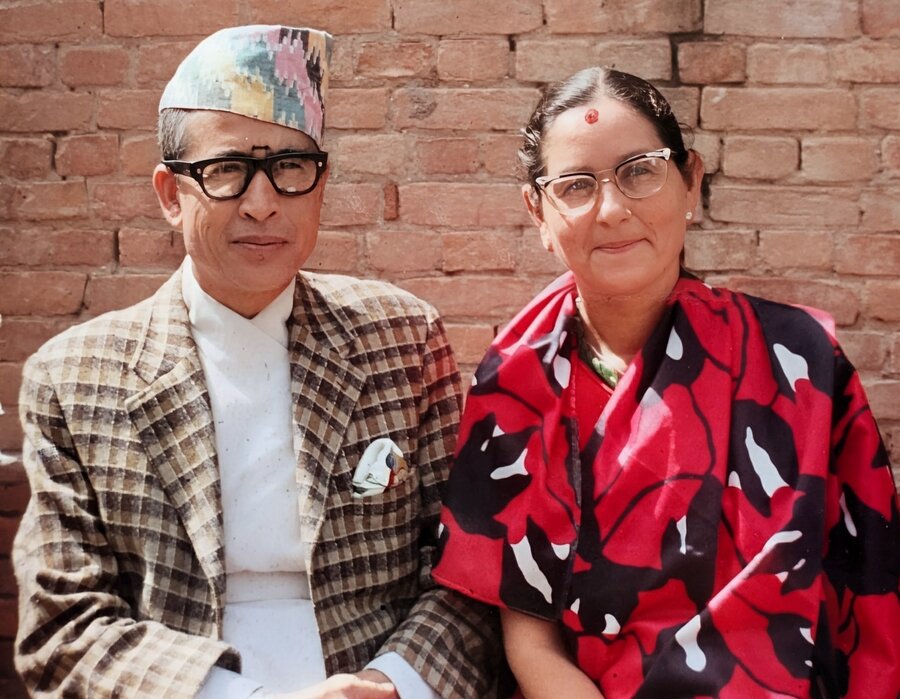
According to the most recent accounts we have, our forefathers migrated from Regmi village in Bajhang district, coming first to Kathmandu and Dhading. Later they settled in Belkot, Nuwakot, where they established the family deity. This inheritance at Madanpur, Nuwakot — under our ancestors' stewardship for nearly two hundred years — came to us as today's "Captain Regmi Farm House" after the passing of our mother and father.
As children, we would set out for our studies early in the morning from the village house, lantern lit, walking alongside porters carrying supplies — and only by evening, again by lantern light, would we reach the family home in Lainchaur, Kathmandu. In those days the village had none of today's schools, roads, or electricity. Though piped water has now been arranged, back then we depended on the pandhero — the stone spring — and in a pinch, we use that same spring still.
In the 2030s of the Bikram era (the 1970s), His Majesty King Birendra's government called on the hill regions to take up fruit cultivation, and a soil conservation campaign was underway across the country. On the western part of our own land, a landslide had been running from top to bottom. Since planting promised not only economic benefit but soil conservation too, after family discussion — and with our late father leading the effort — we brought saplings of ten kinds from various government nurseries and planted them: mango, lychee, banana, papaya, lemon, macadamia nut, and avocado among them.
To all who gave our late father and mother courage and companionship in that planting — our late elder sister and brother-in-law, brothers and sisters, our late uncle's family, Acharya Guru of Madanpur (now of Pharping), the late Hem Bahadur Dware-ba and the late Jhankri-ba of Deurali, and horticulture development officer Surya Bahadur Thapa dai — I offer remembrance and gratitude. And to all the good people of Madanpur and Deurali who each contributed a basketful of manure for the planting: remembrance and gratitude to you as well.
The trees began to bear fruit — but with no transport, moving the harvest and managing its sale became a real struggle. Somehow we got it to Kathmandu. We began selling from the house itself. We carried fruit on our backs to the starred hotels near our home. After office hours and on days off, we took the fruit to the Ratna Park bus stop and sold it ourselves. Colleagues who saw us selling fruit at Ratna Park on a day off were astonished; they teased and laughed — and then they too bought our produce and lent their support.
The economic gains never matched our hopes. With father's contracting work and our own government service keeping us mostly in Kathmandu and other districts, the farm could not be looked after properly. After the untimely passing of our mother and father, and amid the country's political upheavals, the farm's condition grew ever more fragile.
But in one aim, I believe, we succeeded. Because the land had been fenced, the fruit trees — and the other trees and plants alongside them — regenerated. Erosion was halted, and the whole hillside turned green. You can see it clearly today on the Google satellite image.
"You will all settle in the city, won't you — what will become of this farm when we are gone?"
We had never forgotten that worry, spoken by our late father and mother. Father would tell us, again and again: the Kathmandu house is ornament and honor — necessary for the children's education and for holding a job. But the Madanpur land is our support for living, because the grain it produces is enough to eat; and when your salary covers education, health, and the household, you can serve honestly, without corruption. That is why both places matter. I believe it was exactly this kind of thinking that led our forebears to live mostly in Kathmandu, serve in the army and police, and keep the village land under cultivation without interruption. I myself have gathered the experience of five generations. Nor were we unusual: traveling the districts of this country, I met many soldier brothers who took their leave in the monsoon season to go home and plant the family fields.
Some time ago, we — brother Nirakar, myself, and the other members of our family — talked it through and resolved to carry forward what our late father and mother began. Our long-term goal is to keep the farm alive by maintaining its environmental balance. For that, programs to build the farm's economic life were urgently needed. We discussed plans and alternatives with those who wished to take part, and brought them to walk the land. In the midst of this, two enthusiastic young men visited the site, studied the situation, and sent word that they were ready to manage the farm. Work began at once — though with COVID-19, the plans could not gather the speed we had hoped. For staying at the farm through most of that period, growing what vegetables could be grown and starting the nursery, I thank from my heart Technical Officer Arun Bist, and for his support at the local level, advisor Ratna Bahadur.
Under the leadership of brother Nirakar and sister-in-law Mana, and the management of two energetic young men — Subash Gautam and Nischal Narsingh Rana — we have come this far: bringing Captain Regmi's Farm House back to life and pressing ahead to make its work a success.
— Amir
पछिल्लो प्राप्त जानकारी अनुसार बझाङ जिल्लाको रेग्मी गाउँबाट बसाइ सर्दै हाम्रा कुल पुर्खाहरू काठमाडौं र धादिङमा आएका। पछि बेलकोट, नुवाकोटमा कुलदेवीको स्थापना गरी बसोबास सुरु गरेको देखिन्छ। मदनपुर, नुवाकोटमा झन्डै २०० वर्षदेखि हाम्रा पुर्खाको स्वामित्वमा रहेको यो विरासत मुमाज्यू र बुबाज्यूको स्वर्गवासपछि, हालको "क्याप्टेन रेग्मी फार्म हाउस" हामीलाई प्राप्त भयो। केटाकेटी हुँदा अध्ययनका लागि बिहानै गाउँको घरबाट लालटिन बालेर सामल बोक्ने भरियाका साथ हिँडेको, साँझ लालटिन बालेरै काठमाडौंको लैनचौर घरमा पुगिन्थ्यो। त्यतिबेला गाउँमा अहिलेको जस्तो स्कूल, सडक र बिजुली थिएन। हाल नलीमार्फत पानीको व्यवस्था गरेको भए पनि उतिबेला पँधेराको पानीमा निर्भर थियौं, र अड्कोपड्कोमा अझै पनि उही पँधेरो प्रयोग गर्छौं।
विक्रम संवत् २०३० को दशकमा श्री ५ महाराजाधिराज वीरेन्द्र सरकारले पहाडी क्षेत्रमा फलफूल खेती गर्न आह्वान गरिबक्सेको र देशभरि नै भूसंरक्षण अभियान पनि चलेको थियो। हाम्रो जग्गाको पश्चिम भागमा पनि माथिदेखि तलसम्म पहिरो गइरहेको थियो। आर्थिक लाभ मात्रै होइन, भूसंरक्षण पनि हुने हुनाले पारिवारिक छलफलपछि श्री बुबाज्यूको सक्रियतामा आँप, लिची, केरा, मेवा, कागती, म्याकडेमिया नट र एभोकाडोलगायत दस किसिमका फलफूलका बिरुवाहरू विभिन्न सरकारी नर्सरीबाट ल्याएर लगायौं।
तत्कालीन फलफूल बिरुवा लगाउने सिलसिलामा स्व. बुबाज्यू तथा स्व. मुमाज्यूलाई हौसला र साथ दिने परिवार सदस्यहरू — स्व. दिदीज्यू, स्व. भिनाज्यू, भाइ, बहिनी, स्व. श्री ठूलोबुबाज्यूका परिवार, लगायत मदनपुरका श्री आचार्य गुरु (हाल फर्पिङ), देउरालीका स्व. श्री हेमबहादुर द्वारेबा र स्व. श्री झाँक्रीबा लगायत बागवानी विकास अधिकृत श्री सूर्यबहादुर थापा दाइ — सबैलाई सम्झना र आभार व्यक्त गर्दछु। साथै बिरुवा रोप्नका लागि एक-एक डोको मल प्रदान गरी सहयोग गर्नुहुने मदनपुर र देउरालीका सबै महानुभावहरूलाई पनि सम्झना र आभार व्यक्त गर्दछु।
फलफूल त फल्न थाल्यो, तर यातायातको अभावले उत्पादित वस्तु ढुवानी र बजार व्यवस्थापन गर्न समस्या हुन थाल्यो। जेनतेन काठमाडौं लग्यौं। घरैबाट बिक्री गर्न थाल्यौं। घरनजिक भएका तारे होटलमा बोकेरै लग्यौं। कार्यालय समयपछि र बिदाको दिन रत्नपार्क बस बिसौनीमा लगेर फलफूल आफैंले बेच्न थाल्यौं। बिदाको दिन रत्नपार्कमा फलफूल बेचेको देखेर कार्यालयका साथीहरू छक्क परे, ठट्टा गरेर हाँसे पनि, पछि वहाँहरूले पनि हाम्रो उत्पादन किन्नुभई सहयोग गरिदिनुभयो। सोचेजस्तो आर्थिक लाभ हुन सकेन। बुबाको ठेक्का र हामी जागिरको सिलसिलामा बढी समय काठमाडौं र अन्य जिल्लामा बिताउनुपरेकाले ठीक ढंगले फार्मको रेखदेख पनि हुन सकेन। मुमाज्यू र बुबाज्यूको असामयिक स्वर्गवास र देशमा राजनैतिक उथलपुथल भएका कारणले फार्मको स्थिति झनै नाजुक हुँदै गयो।
तर एउटा उद्देश्यमा भने सफल भयौं जस्तो लाग्छ। बारबन्देज गरेका कारण फलफूल बिरुवाहरूका साथसाथै अन्य रूखबिरुवाहरू पनि पुनर्जागरण भई, भूक्षय रोकिएर पूरै डाँडा हरियो भयो — जुन Google Satellite Image मा प्रस्ट देख्न सकिन्छ।
"तिमीहरू अब सहरमै बस्छौ होला, हाम्रो शेषपछि यो फार्मको अवस्था के हुने हो?"
भन्ने स्व. बुबा-मुमाले व्यक्त गरिबक्सेको चिन्ता हामीले बिर्सेका थिएनौं। बुबाले पटक-पटक भन्नुहुन्थ्यो — काठमाडौंको घर गहना र इज्जत हो, केटाकेटीको शिक्षा र जागिर खानका लागि आवश्यक छ; तर मदनपुरको जग्गा हाम्रो बाँच्ने सहारा हो, किनकि त्यहाँ उत्पादित अन्नले खान पुग्छ, तलबले शिक्षा, स्वास्थ्यलगायत घर चलाउन पुग्ने भएकाले भ्रष्टाचार नगरी इमान्दारीपूर्वक जागिर खान सकिन्छ — त्यसैले दुवै ठाउँको महत्व छ भन्ने मर्जी हुन्थ्यो। मलाई लाग्छ, यस्तै राम्रो सोचका कारणले गर्दा हाम्रा पुर्खाहरू प्रायः काठमाडौं बसेर सैनिक र प्रहरीमा जागिर खाने र गाउँको जग्गामा खेतीलाई निरन्तरता दिने गरेका हुनुपर्छ। हाम्रा पाँच पुस्ताको अनुभव त मैले नै सँगालेको छु। हामी मात्रै होइन — देशका विभिन्न जिल्ला भ्रमणका सिलसिलामा मैले धेरै ठाउँमा सैनिक दाजुभाइलाई भेटेको थिएँ, जो वर्षा मौसममा छुट्टी लिएर गाउँमा रोपाइँ गर्दै हुनुहुन्थ्यो।
केही समयदेखि हामीले (भाइ निराकार, म र हाम्रा परिवारका अन्य सदस्यहरू) छलफल गरी स्व. बुबाज्यू–स्व. मुमाज्यूको प्रयासलाई निरन्तरता दिने निश्चित गर्यौं। हाम्रो दीर्घकालीन लक्ष्य भनेको वातावरणीय सन्तुलन कायम गरी फार्मलाई जीवितै राख्ने हो। उक्त योजनाअनुसार फार्ममा आर्थिक वृद्धि गर्ने कार्यक्रम सञ्चालन गर्नु अति नै जरुरी थियो। यसका लागि विभिन्न विकल्पसहितको योजनाबारे सहभागी हुन चाहनेहरूसँग विचार-विमर्श गरी वहाँहरूलाई स्थलभ्रमण पनि गरायौं। यसैबीच दुईजना उत्साही युवा भाइहरूले स्थलभ्रमण गरी वस्तुस्थितिको अध्ययनपछि फार्मको व्यवस्थापन गर्न आफूहरू तयार भएको खबर गर्नुभयो। त्यसको लगत्तै काम सुरु भयो, तर COVID-19 का कारण योजना सञ्चालन गरे पनि सोचेजस्तो गति लिन सकेन। यस्तो अवस्थामा पनि अधिकांश समय फार्ममा बसेर सकेजति तरकारी उत्पादन र नर्सरीको सुरुवात गर्नुहुने Technical Officer श्री अरुण बिष्ट र स्थानीय तहमा सहयोग गर्ने सल्लाहकार श्री रत्नबहादुरलाई हृदयदेखि नै धन्यवाद दिन चाहन्छु।
भाइ निराकारको नेतृत्व र दुई उत्साही युवाहरू — श्री सुवाश गौतम र श्री निश्चल नरसिंह राणा — को व्यवस्थापनमा क्याप्टेन रेग्मी फार्म हाउसलाई जीवन्त बनाउन र आर्थिक कार्यक्रम सफल पार्न अघि बढ्दै हामी यहाँसम्म आइपुग्यौं।
— अमिर